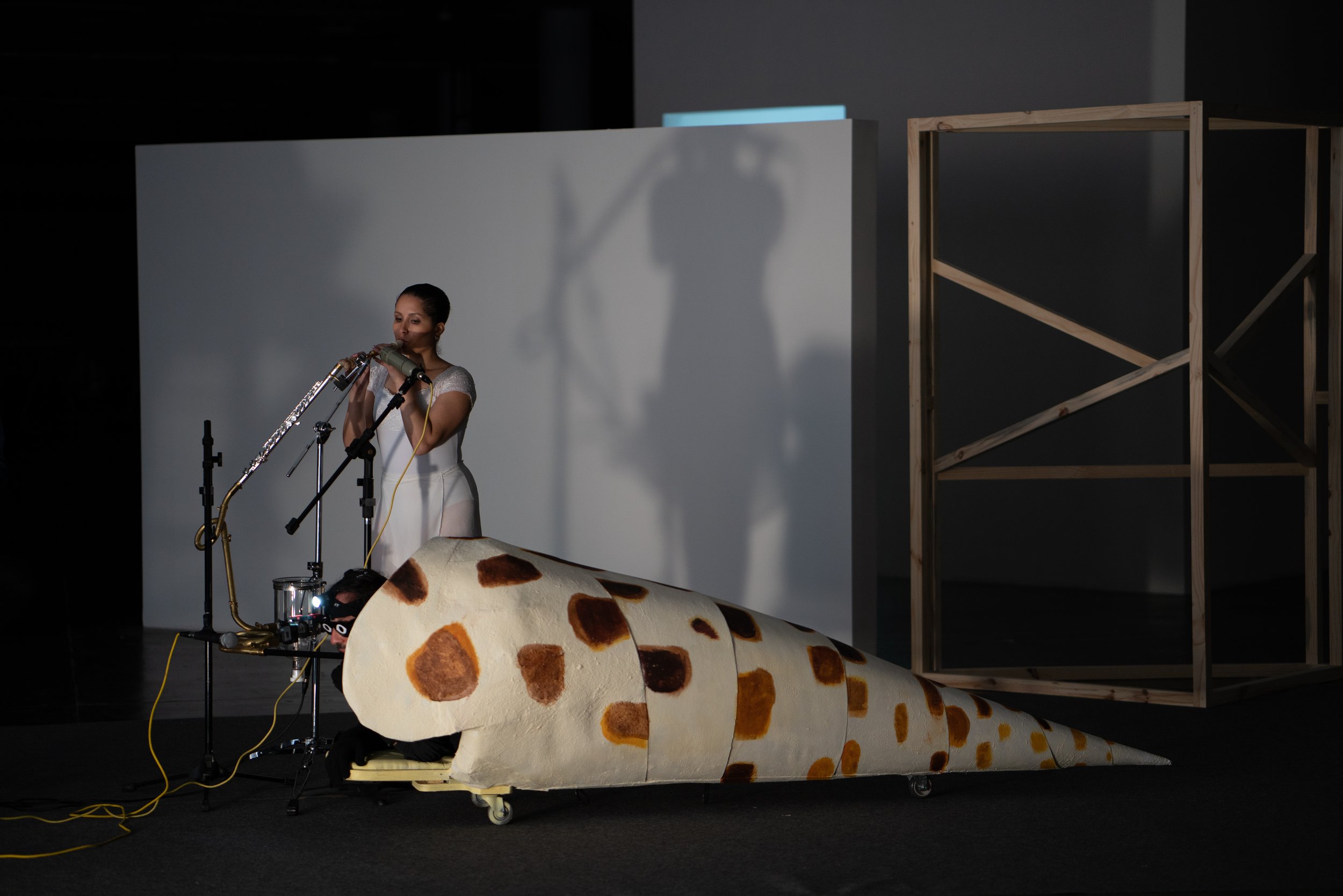
P. for Possible...my dear highly venomous
2018
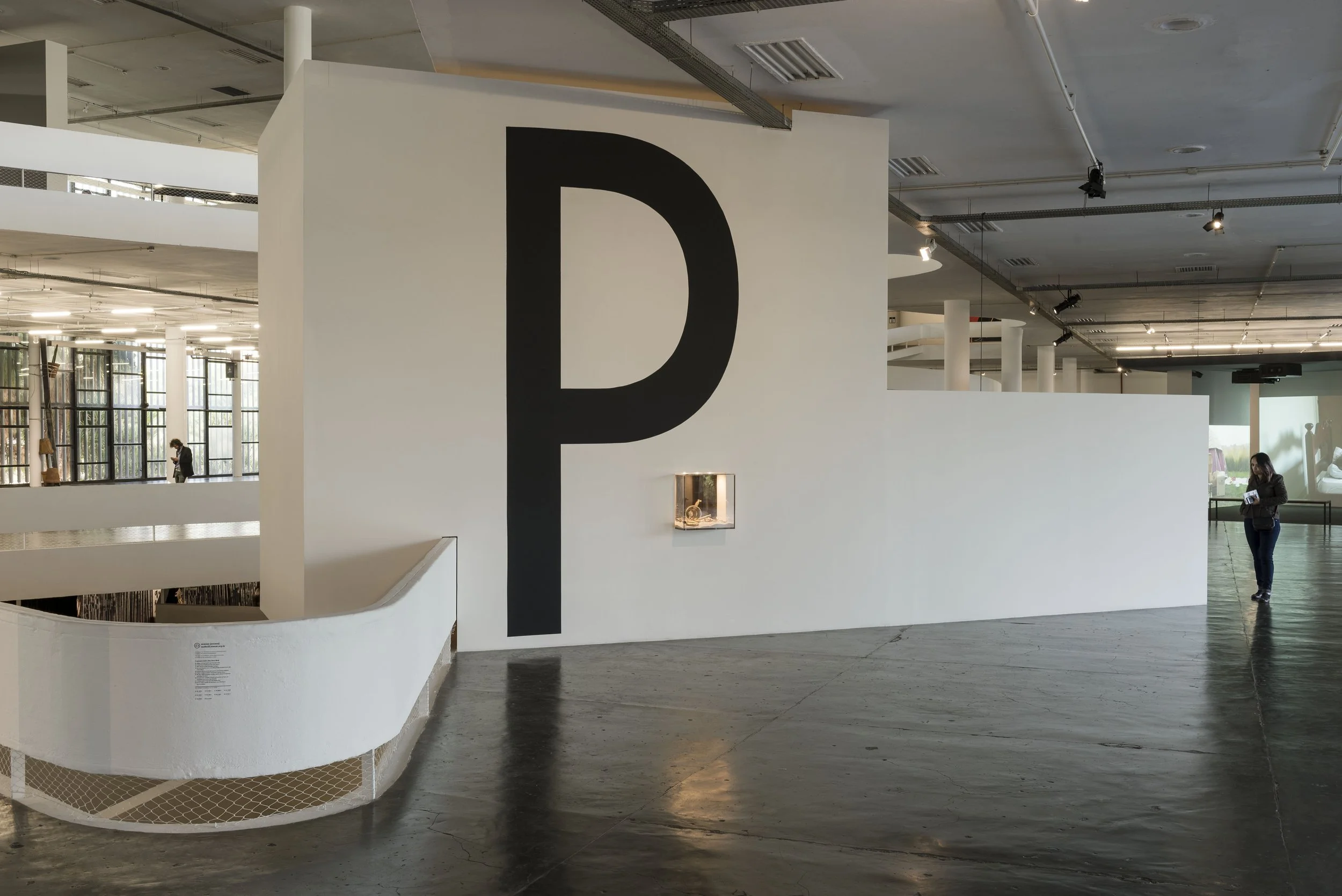
Commissioned by Fundação Bienal de São Paolo, Brazil. Project for the 33rd São Paolo Biennale, curated by Gabriel Perez-Barreiro, part of “Slow Bird” island, project curator Claudia Fontes.
This project is based on layers of simultaneous and overlapping oxymorons: advanced beginner, anxious patient, resident alien, global vernacular, growing smaller, seriously funny, definitely maybe.
This project is a collaboration with Mandë Holford and her Lab of Chemical and Biological Diversity at Hunter College/Weill Cornell Medicine in New York City The scientist and her team focus on the highly potent venom of a predatory marine snail from the family Terebridae. They work with novel peptides based on snail venom to create powerful pain-killing drugs - one thousand times stronger than morphine - for managing extreme and chronic pain.
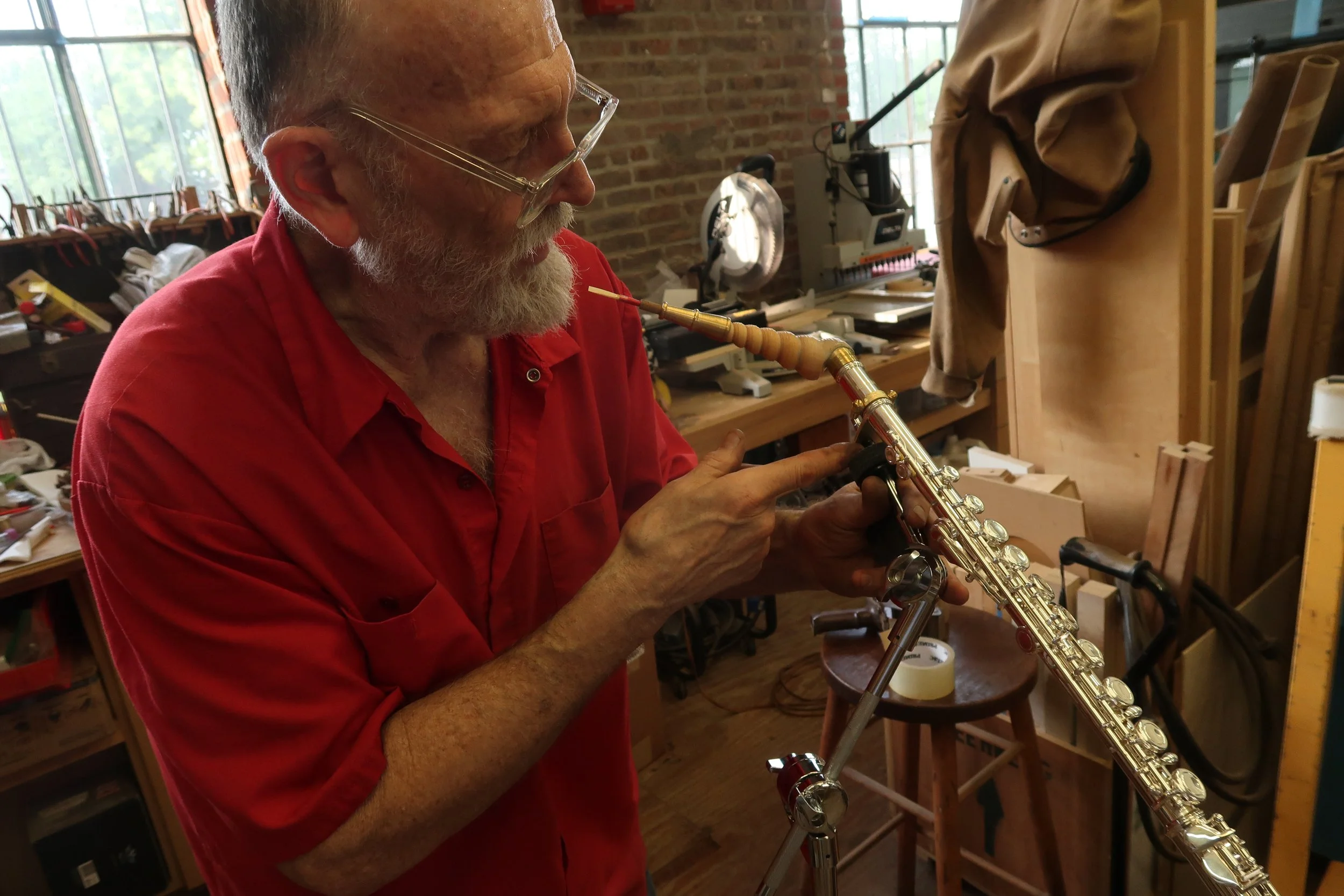
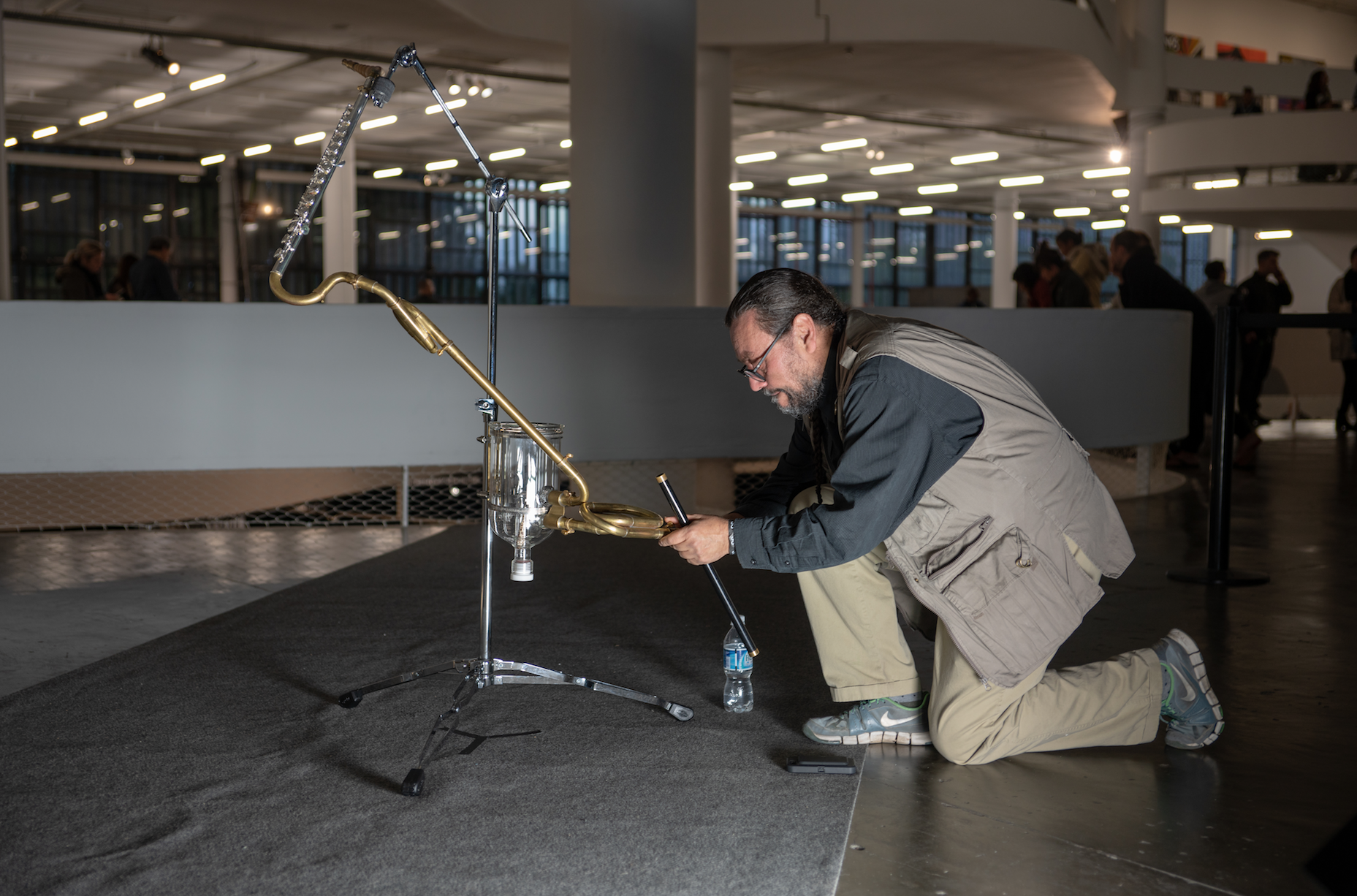
I attended a number of the weekly sessions at which Dr. Holford discussed the ongoing research with her group. Then I made a human-scale replica of the venomous snail’s shell and a hybrid musical instrument - two flutes connected to a peptide-synthesis vessel encased an actual marine snail shell.
I also performed three acts with three dancers.
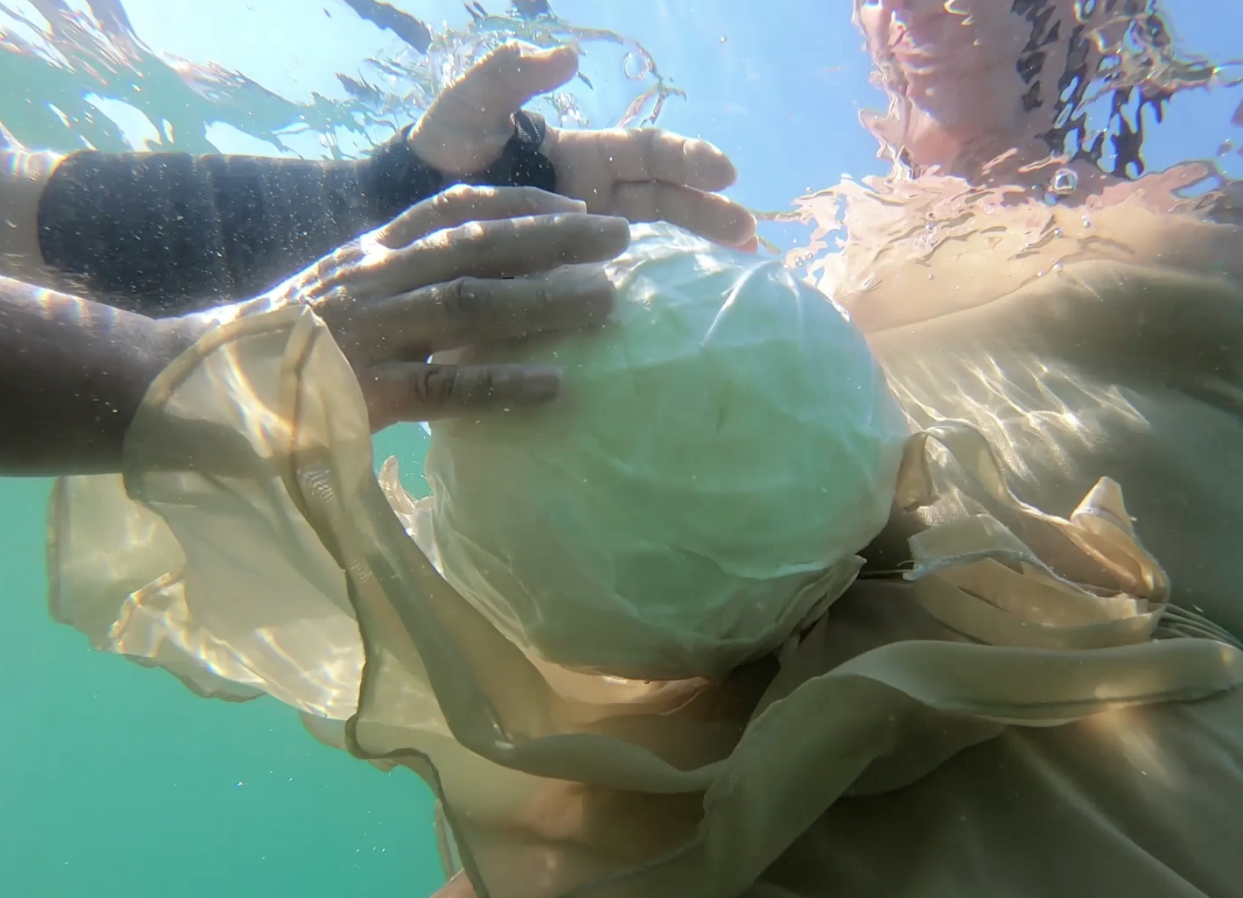
In Bulgaria, I danced under water with Antonya Paskal, a ballerina from Burgas Opera, in the Black Sea town of Pomorie. We passed a cabbage back-and-forth , trying to prevent it from floating to the surface.
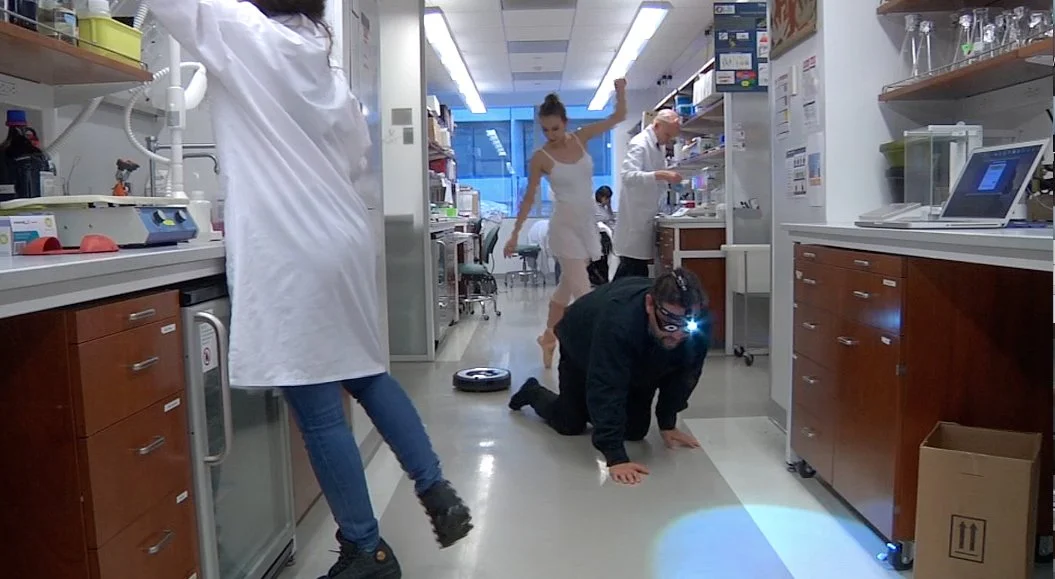
In the US, I performed with the ballet dancer Jordan Miller, and a robotic vacuum cleaner Roomba, in Dr. Mandë Holford’s laboratory while researchers continued their work.
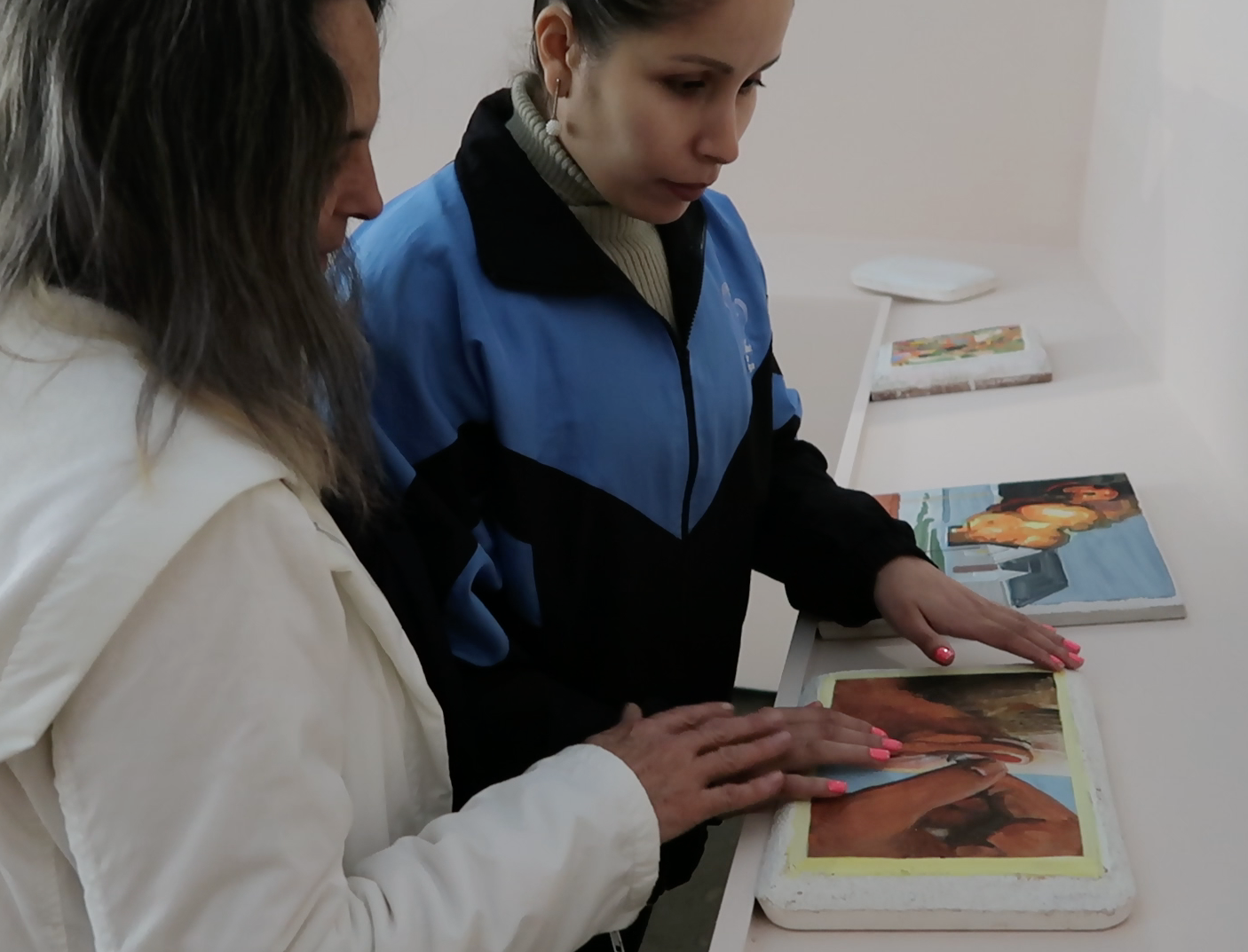
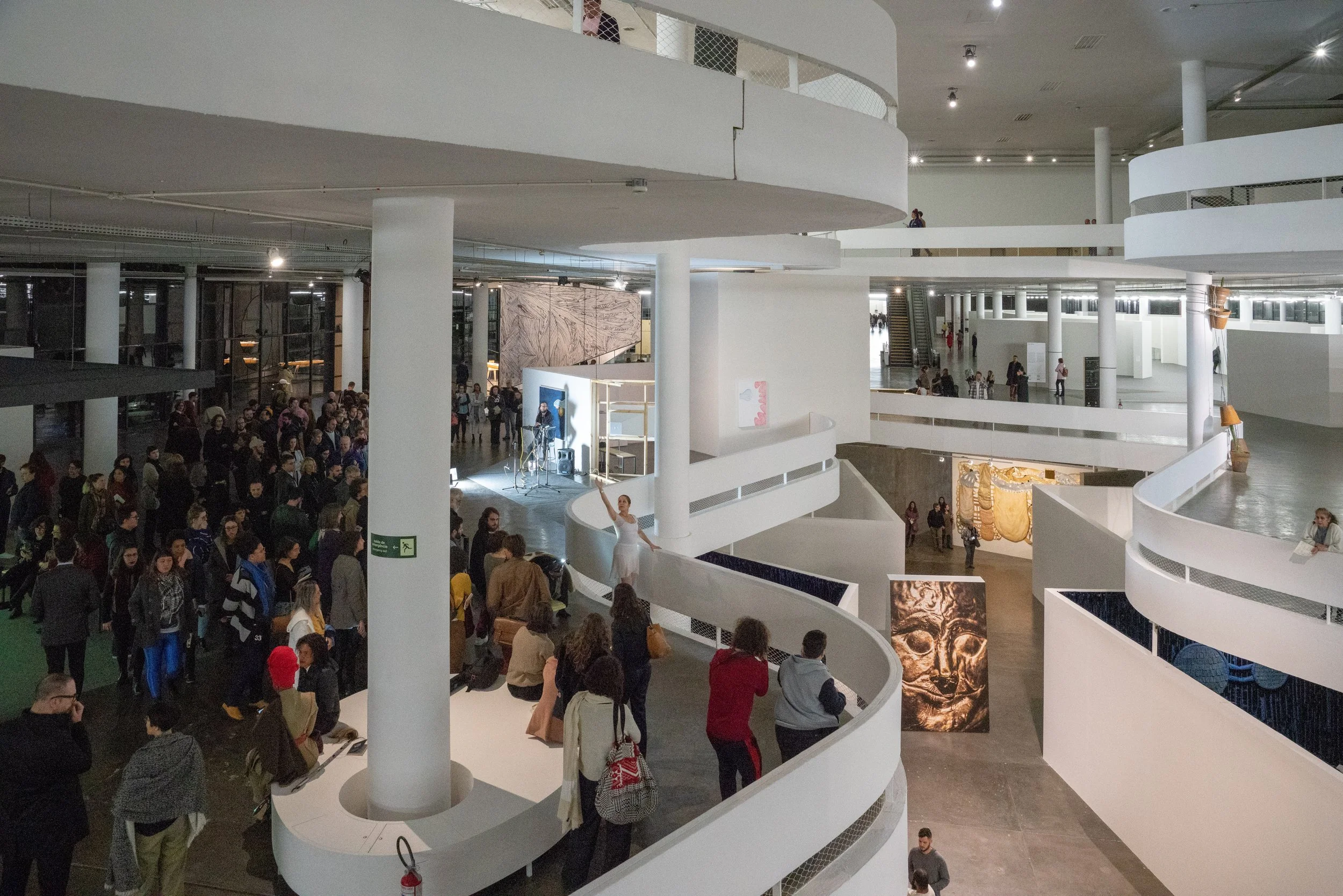
In Brazil, I worked with the blind ballerina Veronica Batista of Fernanda Bianchini’s Association of Ballet and Arts for the Blind, in São Paolo. We played the P-flute - responding to each other, and sustaining two overlapping notes. The two sounds mixed inside the peptide synthesis vessel and generated a third note in polyphonic harmony. The note was recorded by the electronic musician Eddu Ferreira, who replayed it live through large speakers.
Medical science uses fast-moving venom for regulating pain, but art can also work as pharmakon, or be a poison-used-as-remedy. In the age of over-medication, collectively produced excitement can be narco-capitalism’s greatest fear.
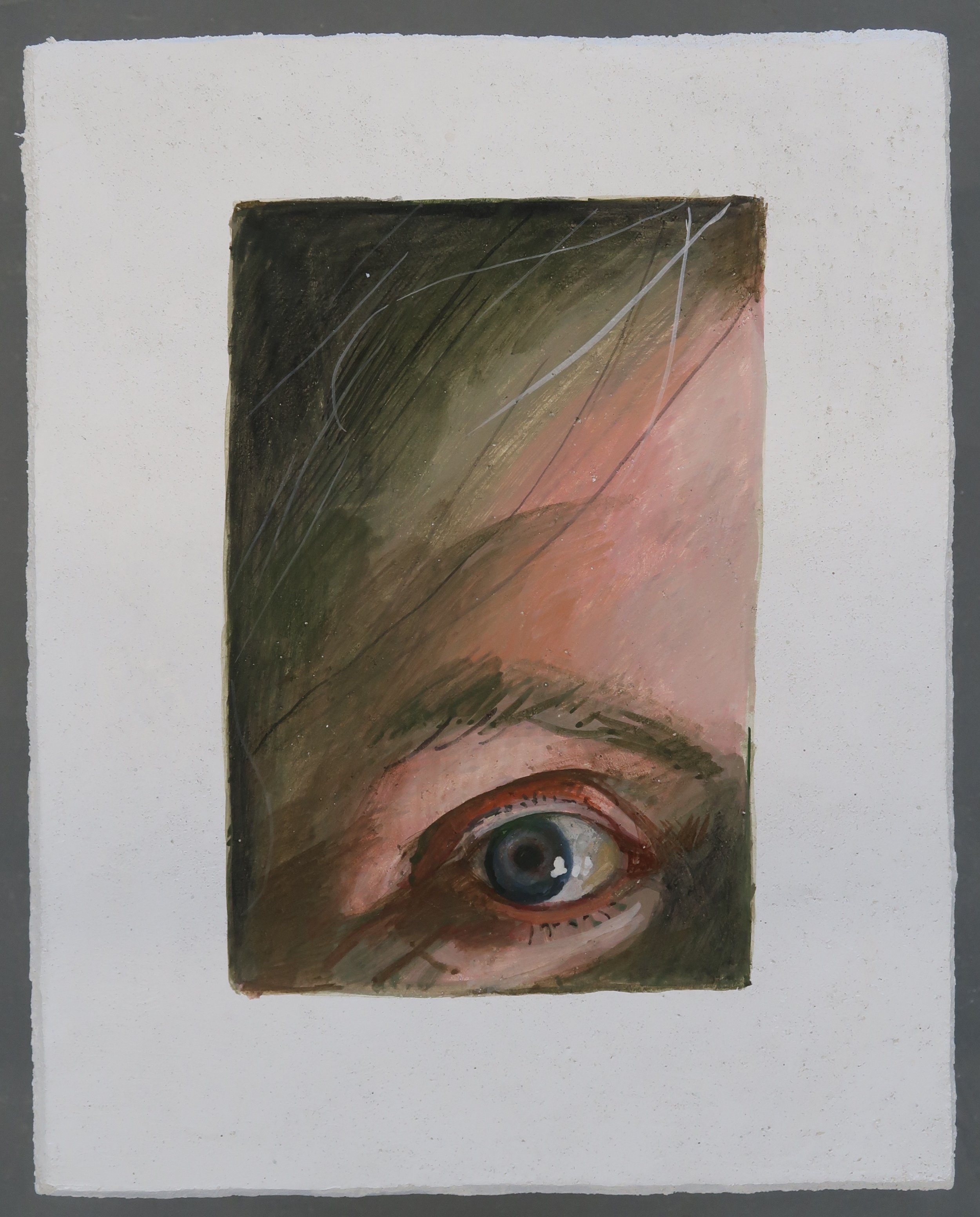
Materials & Actions: Architectural installation incorporating a portion of the railing of Oscar Niemeyer’s Biennial Pavilion, frescoes on portable panels, a large human-scale wearable replica of the venomous marine snail Terebra subulata shell, a hybrid musical instrument of two flutes connected to a peptide synthesis vessel, performances, and video.
Locations: The Black Sea at Pomorie, Bulgaria; Dr. Mandë Holford’s lab at Hunter College/Weill Cornell Medicine, New York; Fernanda Bianchini’s Association of Ballet and Arts for the Blind, São Paolo; Ciccillo Matarazzo Pavilion, Ibirapuera Park, São Paolo.